Everyday Learning
15 Ways to Turn Everyday Life Into Learning
Cooking, errands, repairs, and outdoor time offer natural openings for worthwhile learning. Here are fifteen simple ways to follow those openings without turning every moment into a lesson.
Everyday Scholar
5 min read
Some of the most memorable learning starts with a question nobody planned to ask. Why does bread rise? Which route is shorter? What made that leaf change color? Homeschooling gives families room to follow those questions, but it does not mean every errand needs a worksheet or every conversation needs a quiz. The goal is to notice useful connections and give curiosity a little space. These ideas work with different ages and budgets because they use materials and experiences families already have.
Fifteen ordinary openings for learning
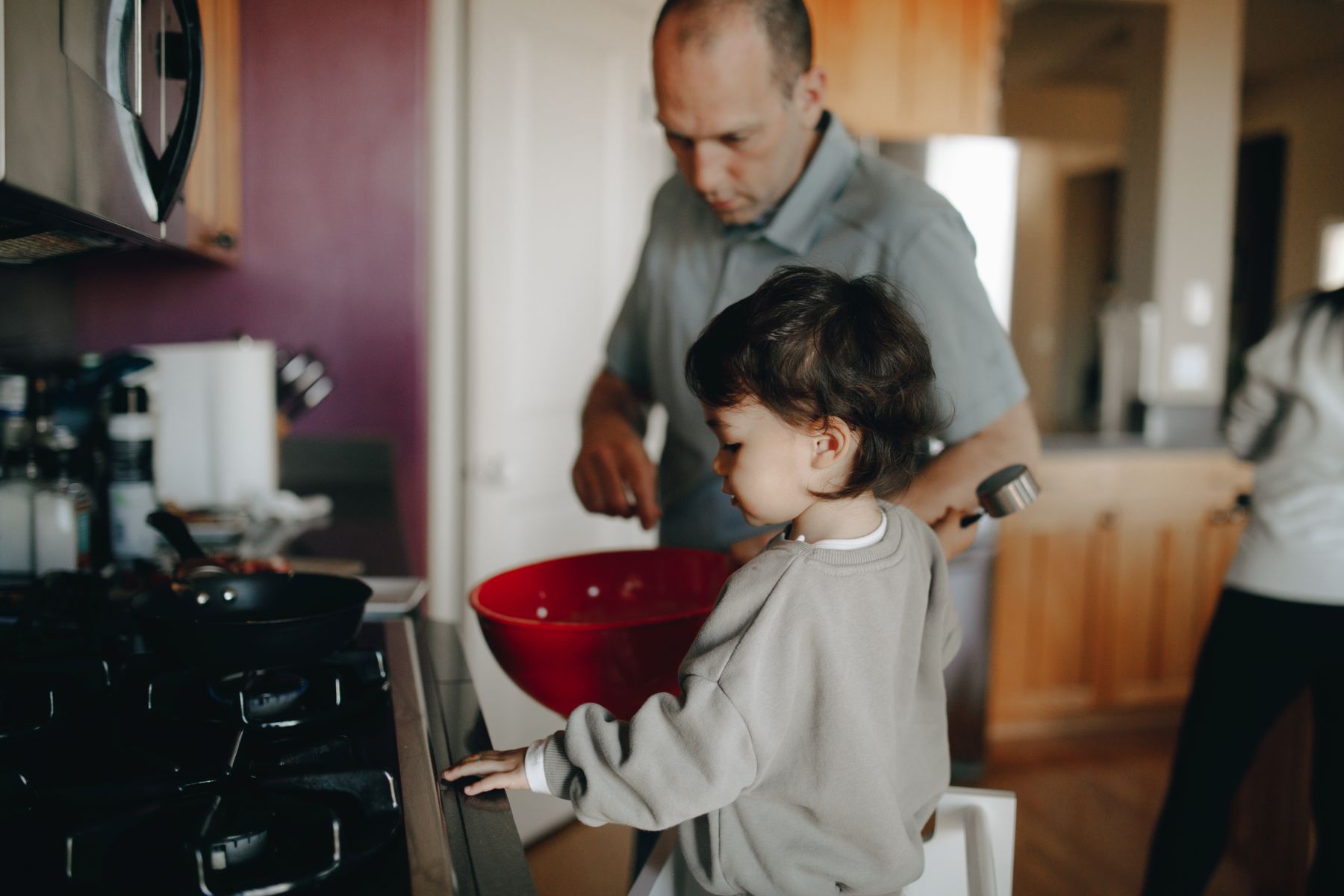
1. Measure ingredients together. A recipe gives young children practice counting and comparing, while older students can scale quantities, convert units, or estimate how long each step will take.
2. Compare prices at the store. Ask which package costs less per ounce, whether the family needs the larger size, and how a budget changes a choice. Give an older child a meal budget and ask them to compare ingredients for one dinner. Include the receipt so the math connects to a real decision.
3. Plan a route for an errand or day trip. Let a child compare two ways to reach the library, a park, or a destination on a family trip. Talk about distance, landmarks, travel time, and how a map represents a place.
4. Keep a weather log. Record the temperature, cloud cover, and rainfall for a few weeks. Then look for patterns and ask whether the observations support a prediction.
5. Start a nature notebook. Sketch a leaf, cloud, bird, or insect and write down where it appeared. A simple observation is enough; a field guide can help answer questions later.
6. Read directions before building something. Furniture, a model, and a recipe all require a reader to follow sequence, identify tools, and notice what happens when a step is skipped.
7. Use a repair as a problem-solving exercise. With safe, age-appropriate tasks, invite children to identify the problem, list possible causes, and explain what changed after a fix.
8. Compare family stories with a timeline. Place a relative’s move, a local event, and a historical date in order. This helps children understand that history includes both public events and ordinary lives.
9. Write a real message. A thank-you note, inquiry to a museum, or email to a community group gives writing a clear reader and purpose. Review tone and details together before sending.
10. Explore fractions at the table. Divide a pizza, fruit, or batch of muffins into equal shares, then compare what happens when the number of people changes.
11. Notice shapes and design in a room. Look for symmetry, repeated patterns, angles, and how furniture uses space. Older children can sketch a floor plan with approximate measurements.
12. Grow something small. A pot of herbs or a few seeds in a jar can lead to observations about light, water, roots, and change over time without requiring a large garden.
13. Compare materials during a craft. Ask which paper folds cleanly, which glue dries fastest, or how changing one material affects the result. Keep the activity about making and noticing, not buying supplies.
14. Talk through a household decision. If the family is choosing a book, trip, or project, identify the options, budget, constraints, and reasons behind the final choice. A child can help compare costs without carrying responsibility for the family’s finances.
15. Use a sport or game to notice patterns. Keep a simple tally of shots, laps, or successful passes, then compare attempts or estimate a score. Keep it light: the point is to notice numbers and strategy, not turn family play into another graded assignment.
Match the invitation to the child
A preschooler may sort apples by color while an older sibling compares prices. Both are participating in the same errand, but the thinking task differs. Offer a question rather than requiring a single correct response: What do you notice? What might happen if we change this? How could we check? These prompts give a child room to reason without making a relaxed activity feel like a test.
Use the child’s interests as a starting point. A fascination with trains might lead to maps, schedules, engineering, or a library book. A new pet can prompt reading about care, measuring food, and recording observations. Follow the interest while keeping ordinary limits: a parent decides what is safe, affordable, and realistic.
Keep curiosity from becoming another burden
A quick note can help you return to a question later. Keep a small list on the refrigerator or in a phone note: the question, what the child already thinks, and one place to look for an answer. You might visit the library, check a field guide, or test an idea together. The note prevents an interesting conversation from becoming another obligation that must be completed immediately.
You can connect everyday activities to formal subjects without pretending they are the same thing. Measuring ingredients reinforces fractions, but a child still benefits from direct instruction and practice with fractions. Think of real tasks as another place to apply an idea, not a replacement for every lesson. This balance lets a family enjoy practical learning while keeping the academic work that matters to its goals.
You do not need to document every conversation. If a child’s question leads to a project, write down a few notes, save a drawing, or take a photograph with permission. If it leads nowhere, that is fine too. A full day of formal lessons already requires attention; informal learning should add connection, not pressure.
Choose one idea this week and try it naturally. During cooking, ask a child to estimate the number of cups. On a walk, pause to compare two plants. Later, ask what they remember. A simple routine can leave room for these moments; start with ten ways to make homeschooling easier for the whole family, then see how to make homeschooling feel manageable when the family is worn down. Everyday learning is not a trick for squeezing school into every hour. It is a way to recognize that thoughtful questions and useful skills already belong to family life.